
Infrastrutture: progetti e villaggi
L’Etiopia è stata recentemente al centro dell’attenzione internazionale per l’inaugurazione del suo megaprogetto sul Nilo Azzurro: la Grande Diga, inaugurata nel settembre 2025, è la più grande centrale idroelettrica d’Africa e rientra tra le prime 20 al mondo. Alta 170 metri e lunga 1.800 metri alla sommità, ha una capacità di 74 miliardi di metri cubi d’acqua e un bacino che si estende su 1.874 km². Vanta una potenza installata di 5.150 MW distribuita su 13 turbine, in grado di produrre oltre 15.700 GWh all’anno. Il progetto, costato 5 miliardi di dollari e finanziato principalmente dal governo, fornisce già una quantità significativa di elettricità alla rete etiope: sei turbine erano operative fin dall’inizio del 2025.
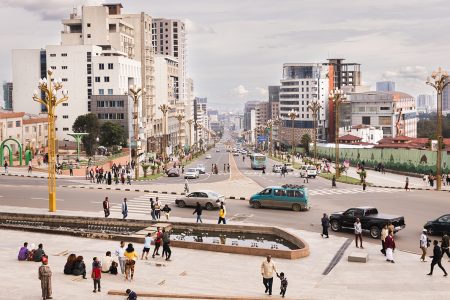
Parallelamente, l’Etiopia ha ampliato in modo consistente la propria rete stradale. Nell’ultimo trentennio la densità stradale è passata da 24,1 a 148,3 km per 1.000 km², grazie soprattutto a programmi di investimento multimiliardari; solo negli ultimi sei anni, poi, la rete percorribile in tutte le stagioni è cresciuta da circa 126.000 a circa 170.000 km. Partendo dalla capitale Addis Abeba, questa rete si sviluppa attorno a corridoi radiali principali e a una tangenziale a più corsie di 52 km, che collega le cinque porte d’accesso alla città – verso Jimma, Debre Zeit, Dessie, Gojjam e Ambo – permettendo al traffico pesante di aggirare il centro e immettersi direttamente nelle autostrade nazionali.
Tra le principali vie di collegamento interurbano spiccano l’autostrada Addis Abeba–Adama e il più ampio corridoio Addis Abeba–Gibuti, che gestisce oltre il 95% del commercio import-export del paese ed è oggi oggetto di lavori di potenziamento finanziati dalla Banca Mondiale, volti a migliorare l’efficienza logistica tra la capitale – priva di sbocco sul mare – e il porto di Gibuti. Parte integrante di questa iniziativa sono i varchi installati lungo la strada, nelle principali città attraversate dal corridoio.
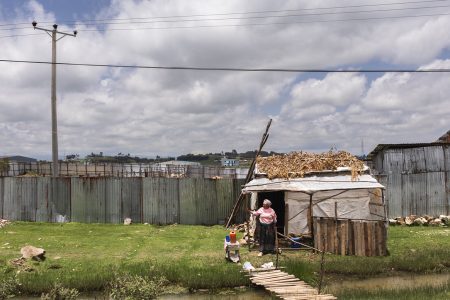
Al momento della nostra visita sul campo, nell’agosto 2025, questi corridoi apparivano come vere e proprie cattedrali immerse in un deserto di strade in gran parte sconnesse e pericolose, anche lungo le arterie principali del paese: fango e assenza quasi totale di strade caratterizzavano la stragrande maggioranza del territorio rurale che abbiamo visitato. Nei dintorni di Debre Birhan, situata a 2.840 metri di altitudine, piove infatti quasi tutto l’anno, e le strade – fatte di pietre e terra – sono spesso fradice, quando non del tutto impraticabili senza un fuoristrada.
Nei villaggi remoti che circondano Debre Birhan – Addis Genet, Atakilt, Etege, Taitu, Tikur Gedel, Woynye e Zan Gira – la maggior parte delle persone si sposta a piedi: cavalli e carri restano le uniche alternative disponibili, ma secondo la nostra esperienza sono piuttosto rari.
Questo isolamento si traduce in lunghe distanze da percorrere per raggiungere servizi primari come scuole, centri sanitari e banche. Nei villaggi raggiunti durante il lavoro sul campo, il tempo medio di percorrenza a piedi verso banca, mercato e ospedale supera l’ora e mezza, mentre per raggiungere le scuole occorrono circa 45 minuti. Il ruolo delle infrastrutture, soprattutto nelle aree rurali, appare dunque cruciale.
È stato osservato che i miglioramenti nell’accesso al mercato – dovuti ad esempio alla costruzione di nuove strade – riducono la quota delle attività agricole e aumentano il numero di lavoratori nel settore dei servizi, ma non in quello manifatturiero. In particolare, concentrandosi sulla costruzione di strade che collegano i villaggi rurali ai centri commerciali, i ricercatori hanno osservato un aumento del reddito agricolo dovuto a una riallocazione dei terreni verso colture più redditizie.
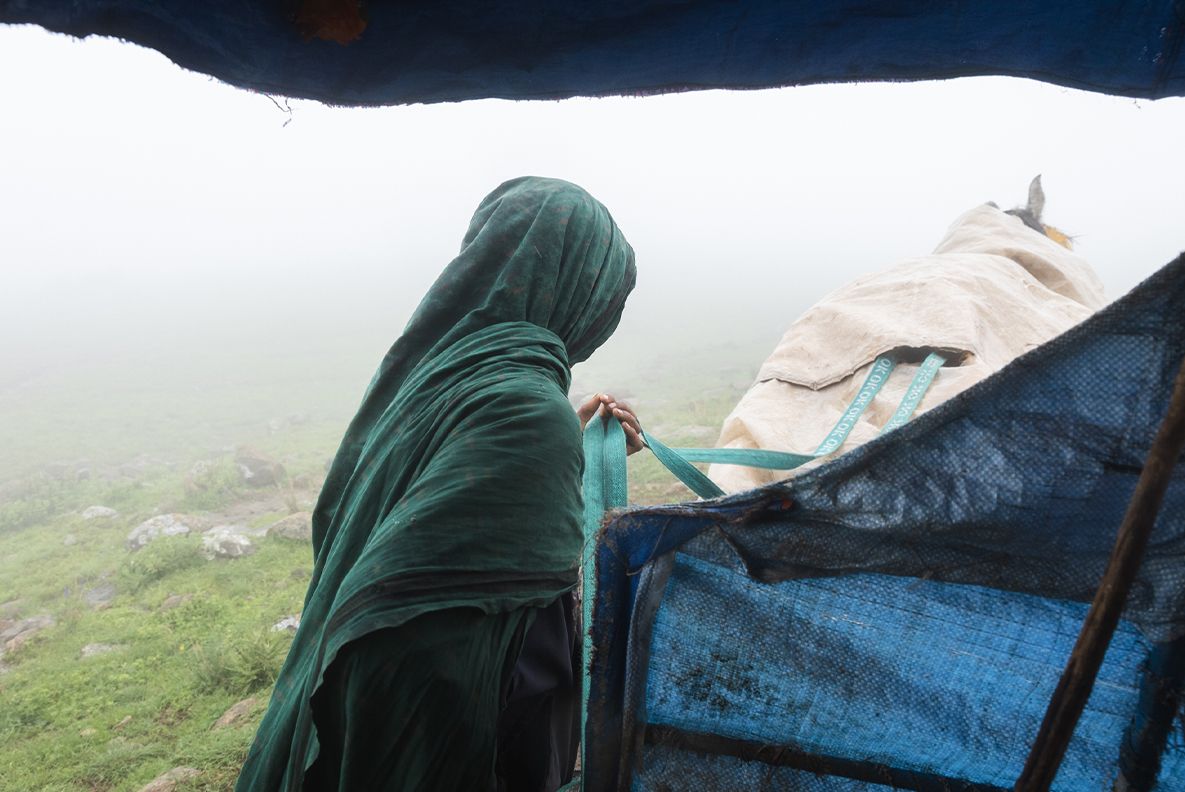
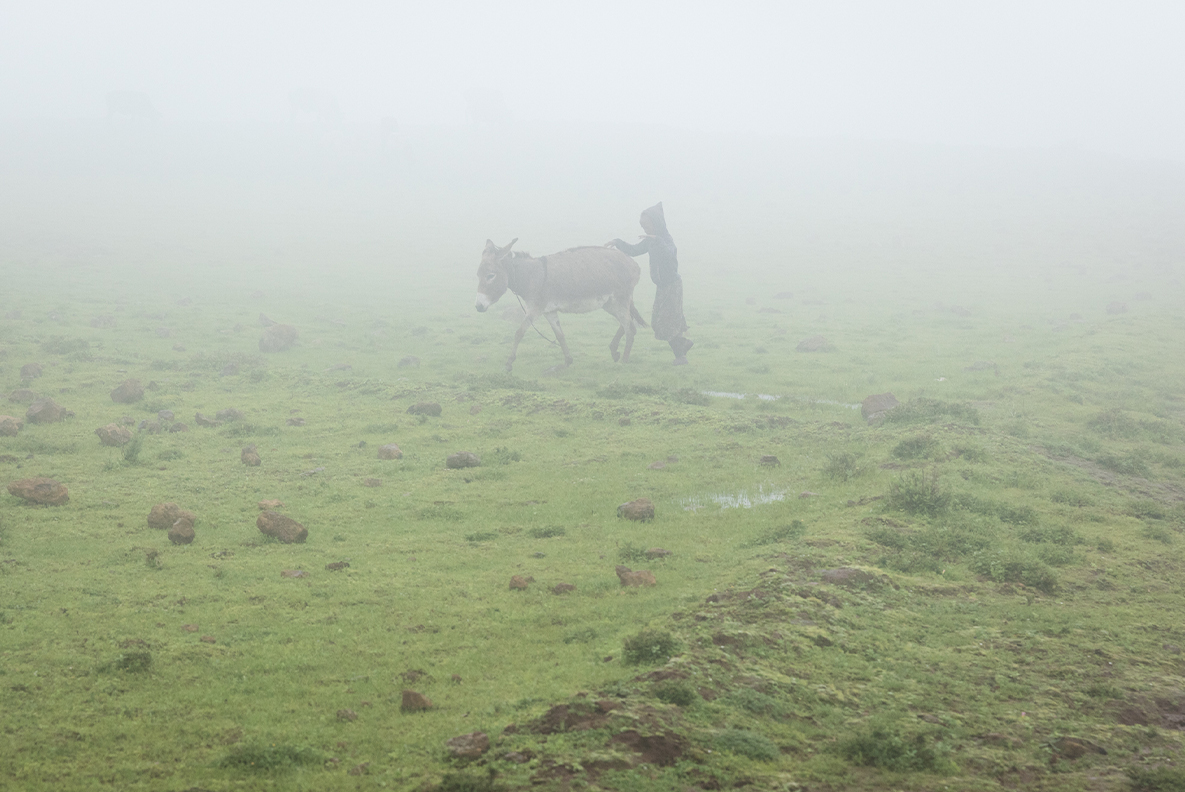
I trasporti nelle zone remote di Debre Birhan avvengono tutti a piedi e, in casi eccezionali, a dorso di cavallo o con carri. Nessuna auto, ma solo veicoli fuoristrada, può affrontare le strade spesso ricoperte di fango a causa del clima locale che garantisce piogge tutto l’anno.
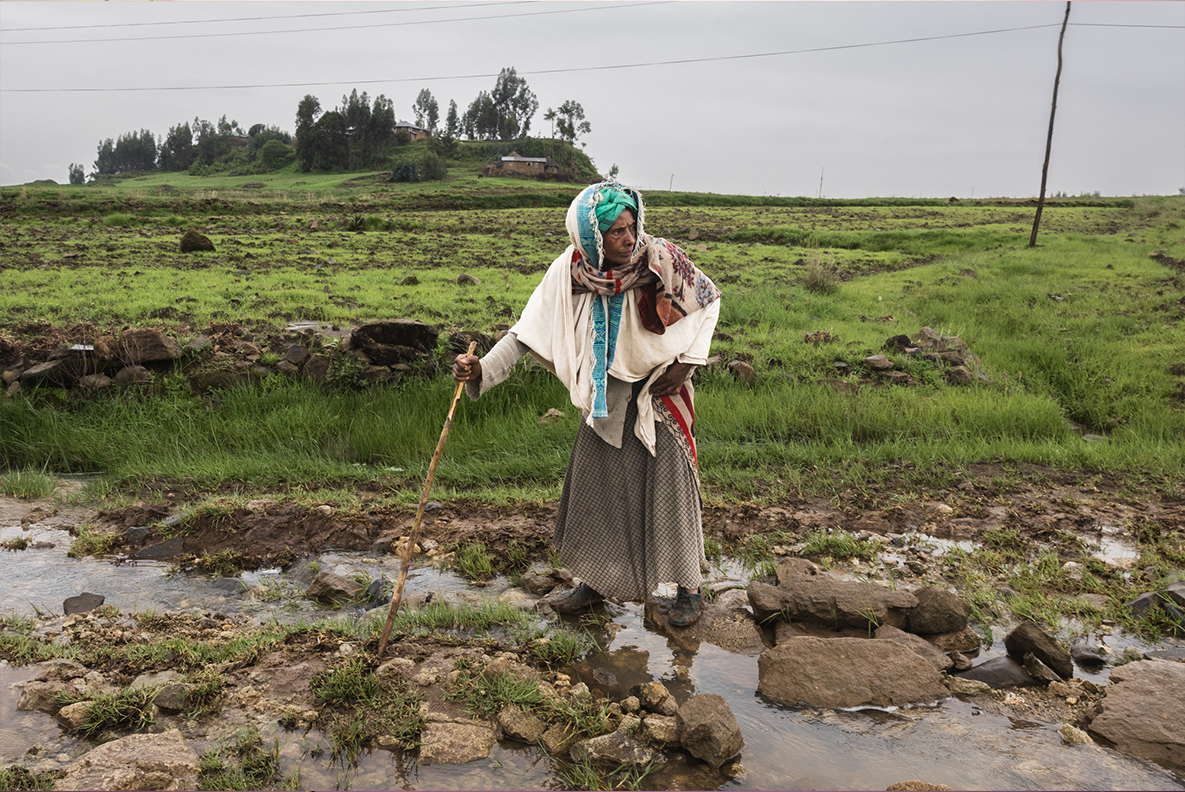
Sebli Hailegebriel, 60 anni, cammina sulla strada principale allagata verso la sua fattoria, raggiungibile solo a piedi. La sua famiglia non dispone di elettricità dalla rete, ma si affida a un pannello solare personale, non ha accesso diretto all’acqua potabile e non dispone di servizi igienici. L’ospedale più vicino dista 240 minuti.
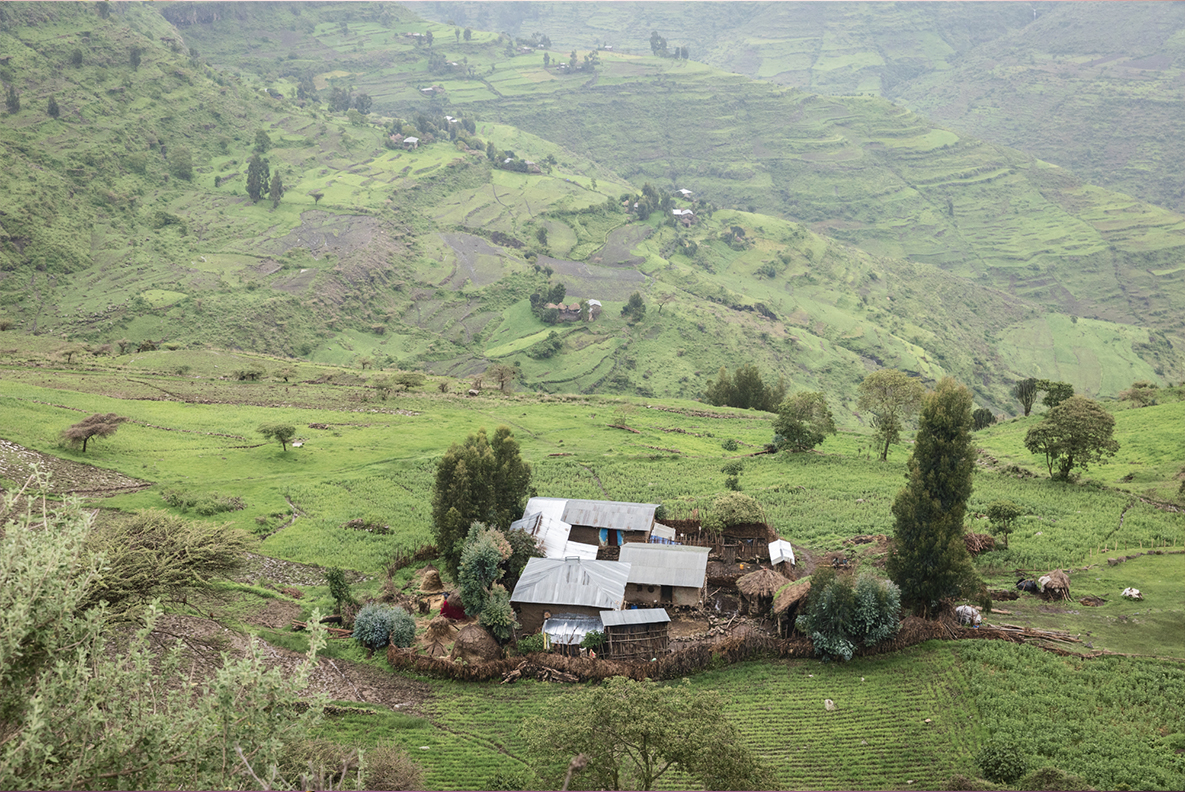
Etege è un villaggio nei dintorni di Debre Birhan che offre un’idea chiara dell’isolamento che abbiamo riscontrato durante la nostra visita sul campo. Etege ospita gruppi di poche case con una o due famiglie, distanti alcune centinaia di metri dal gruppo di case successivo, per un totale di circa 300 abitazioni. Tutti questi insediamenti sono isolati dalle strade principali e sono raggiungibili solo a piedi, con una camminata di oltre un’ora dalla città più vicina, oppure a dorso di animali. © Gaia Squarci
Tizita Worke, 10 anni, è la più giovane di una famiglia di 5 persone e vive a Etege. Di solito cammina ogni giorno con i suoi compagni di classe dal villaggio alla scuola, per circa un’ora sola andata. Dice che le piace studiare l’amarico e l’inglese. Dopo la scuola, si occupa di prendere l’acqua (10 litri trasportati per 1 km) e a raccogliere la legna da ardere per tutta la famiglia.
Bibliografia
"Roads and Jobs in Ethiopia."
The World Bank Economic Review, 36(4).
"Gains from Market Integration: Welfare Effects of New Rural Roads in Ethiopia."
Journal of Development Economics, 168.
"Ethiopia's All-Weather Road Coverage Expands to 170,000 km."
Xinhua News, 2025.
"The GERD Dispute: Lessons for Water Governance and the Future of the Nile Basin."
FPRI, 2025.
"Grand Ethiopian Renaissance Dam Project (GERD)."
Webuild Group Technical Documentation, 2025.