

Il gap infrastrutturale La vita quotidiana delle famiglie nelle zone rurali dell'Etiopia
⇥⇥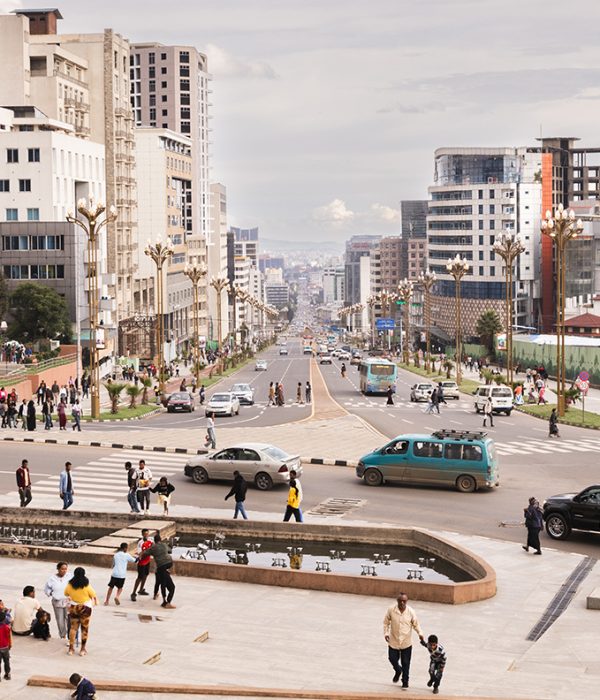
L'Etiopia è la seconda nazione più popolosa d'Africa, con un territorio molto variegato e una popolazione giovane, dove metà dei cittadini ha meno di 19 anni. L'economia è in crescita, ma segnata da forte inflazione e povertà in aumento, mentre l'agricoltura resta il cuore della struttura produttiva. Dietro i dati nazionali si nasconde un paese profondamente diviso: gran parte della popolazione vive ancora in aree rurali isolate, molto lontane dai ritmi e dai servizi delle città come Addis Abeba, come abbiamo potuto constatare durante la nostra visita sul campo nella regione di Amhara.
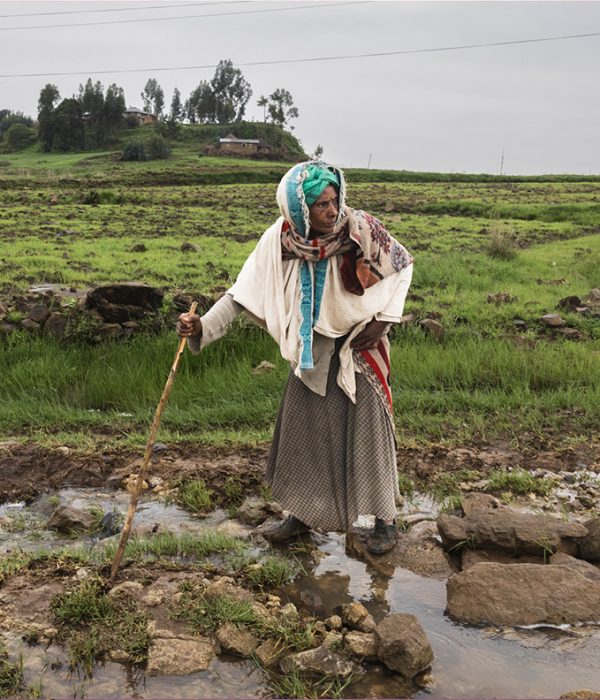
Negli ultimi anni l'Etiopia ha investito in grandi opere come la diga sul Nilo Azzurro e migliaia di chilometri di nuove strade, aumentando in modo consistente la densità della rete stradale nazionale. Ma appena ci si allontana dai corridoi principali, i villaggi restano isolati da strade fangose e impraticabili, dove spostarsi resta una sfida quotidiana per chi vive in campagna. Nei villaggi rurali attorno a Debre Birhan, raggiungere a piedi una banca, un mercato o un ospedale può richiedere oltre un'ora e mezza di cammino.
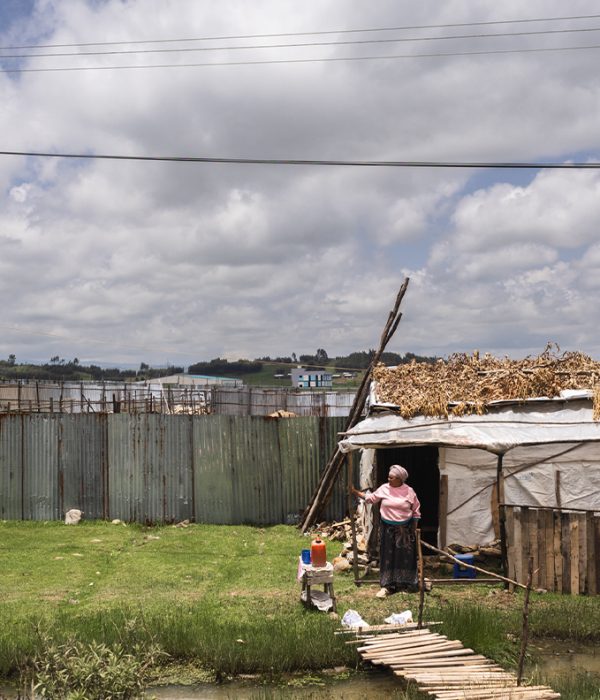
L'accesso all'elettricità in Etiopia è cresciuto rapidamente nell'ultimo decennio grazie a diversi programmi internazionali, ma resta molto diseguale tra città e campagna, con un divario ancora ampio nei tassi di elettrificazione. Anche dove la rete arriva, spesso l'elettricità serve solo per illuminare una lampadina o caricare un telefono, mentre cucina e lavori pesanti restano affidati a fonti tradizionali. Sul campo abbiamo visto come, anche nelle famiglie collegate alla rete, l'uso dell'elettricità resti spesso marginale rispetto al suo potenziale.
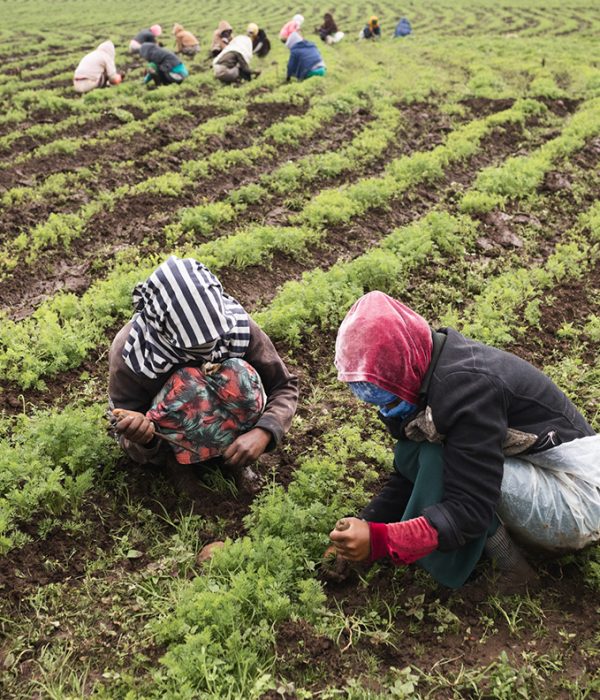
L'agricoltura resta il cuore dell'economia etiope, impiegando gran parte della forza lavoro e sostenendo le esportazioni del paese, ma è sempre più esposta a siccità, ondate di calore e piogge irregolari. Sul campo, le famiglie raccontano raccolti dimezzati, malattie del bestiame legate al caldo estremo e adattamento come il passaggio a nuove colture o l'assunzione di giornalieri per il diserbo manuale. La letteratura mostra inoltre come questi shock possano spingere i bambini a lavorare invece di studiare, specialmente nelle famiglie più vulnerabili.
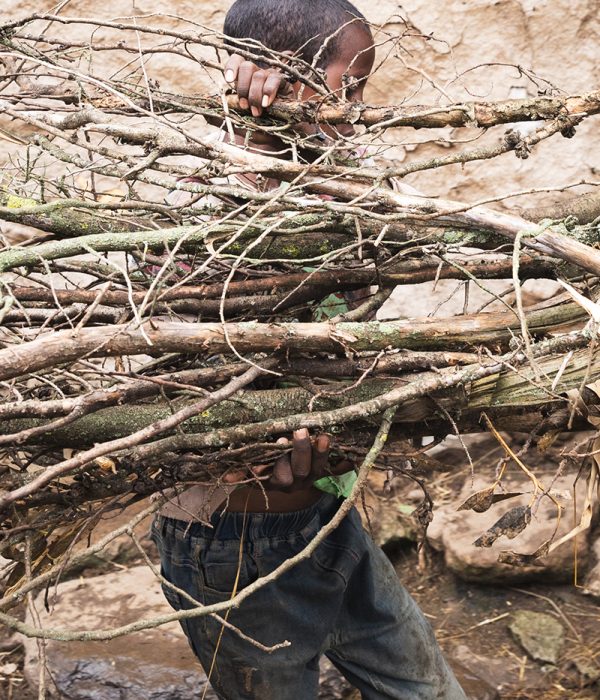
La scolarizzazione in Etiopia è cresciuta, ma resta fragile nelle aree rurali, dove infrastrutture assenti e lavoro nei campi tengono i bambini lontani da scuola, e dove il divario di alfabetizzazione tra città e campagna rimane ampio. Anche l'elettricità, da sola, non basta a proteggere il tempo dedicato allo studio quando le famiglie sono colpite da shock climatici o economici. Le storie raccolte sul campo raccontano bene questa fragilità.
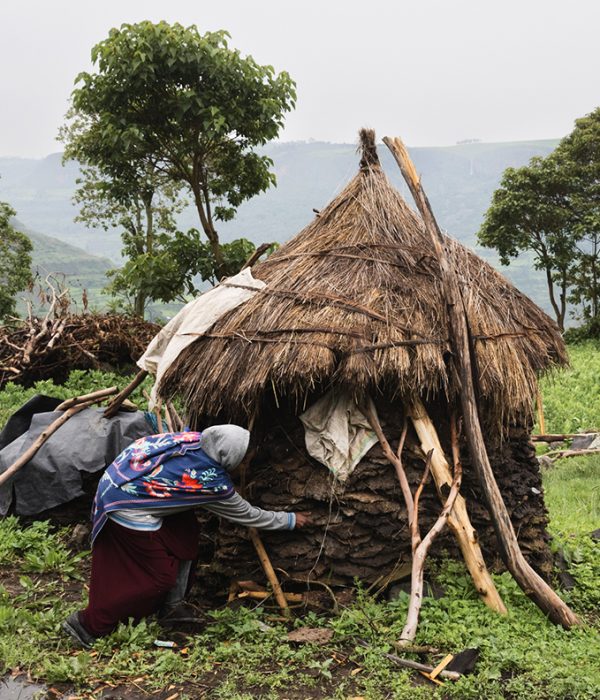
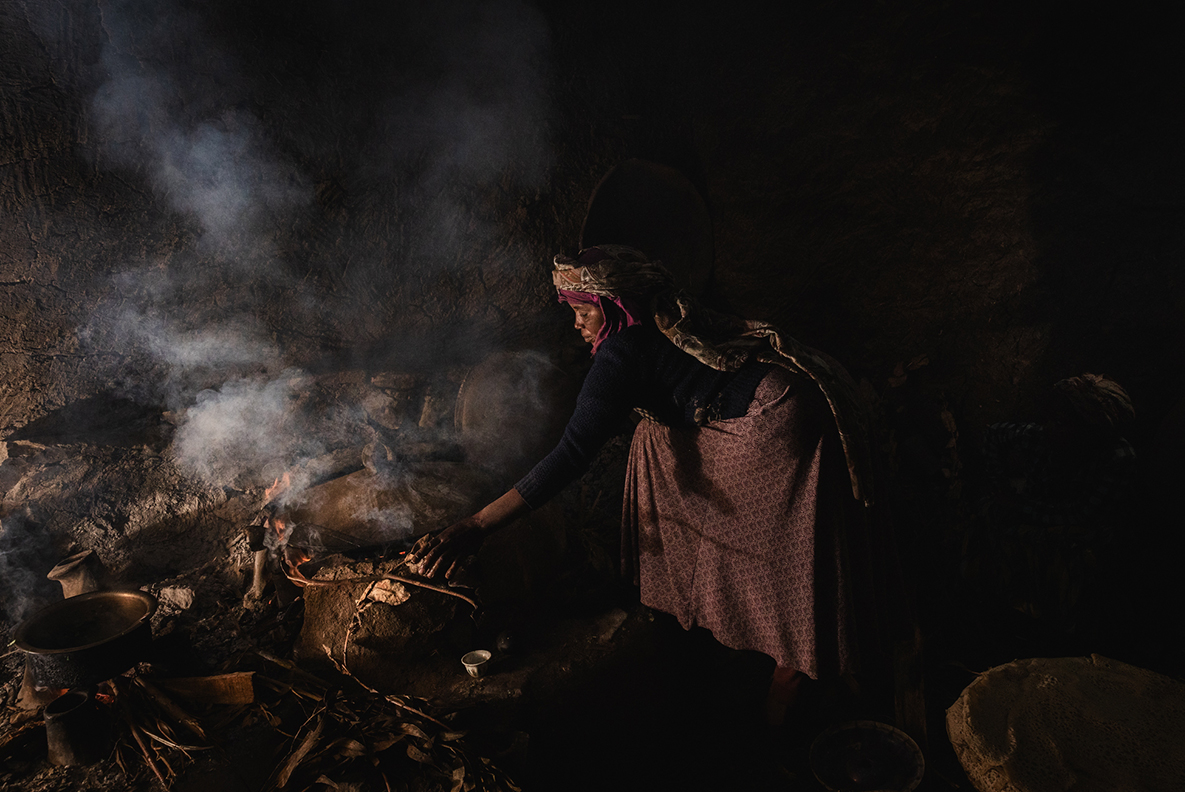
Quasi nessuna famiglia rurale etiope cucina con elettricità: legna, carbone e sterco restano la norma, con gravi conseguenze per la salute respiratoria di donne e bambini esposti quotidianamente al fumo dei focolari. Anche dove la rete elettrica arriva, il costo delle piastre elettriche e l'inaffidabilità del servizio ne limitano fortemente l'uso in cucina, nonostante le nuove strategie nazionali per la cucina pulita. Tra le famiglie visitate sul campo, solo una minima parte disponeva di un allacciamento abbastanza stabile da poter cucinare con l'elettricità.
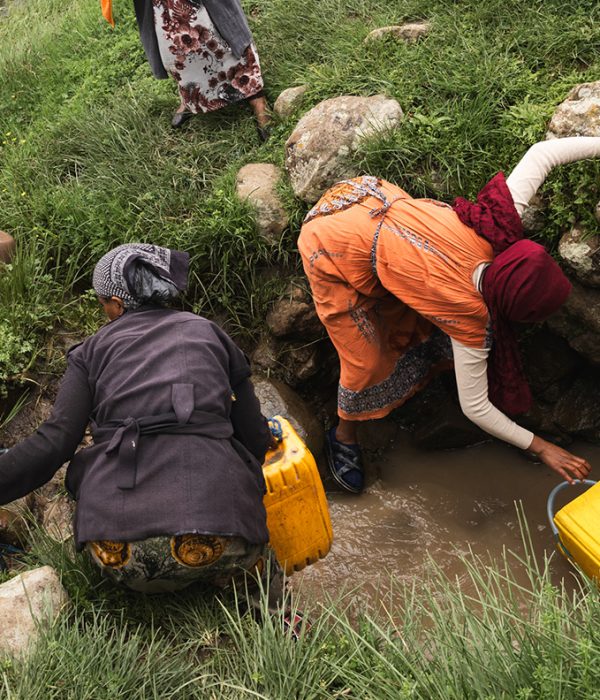
L'accesso all'acqua potabile resta scarso nelle campagne etiopi, dove molte famiglie dipendono da sorgenti non protetti, e dove pompe e sistemi idrici spesso si guastano per anni senza manutenzione. Sono soprattutto le donne a farsi carico della raccolta dell'acqua, un lavoro invisibile che si somma alla scarsità di servizi igienico-sanitari e alla diffusa pratica della defecazione all'aperto, con conseguenze dirette sulla salute. Il lavoro sul campo attorno a Debre Birhan ha mostrato come questi problemi restino anche nelle comunità ufficialmente considerate "servite".
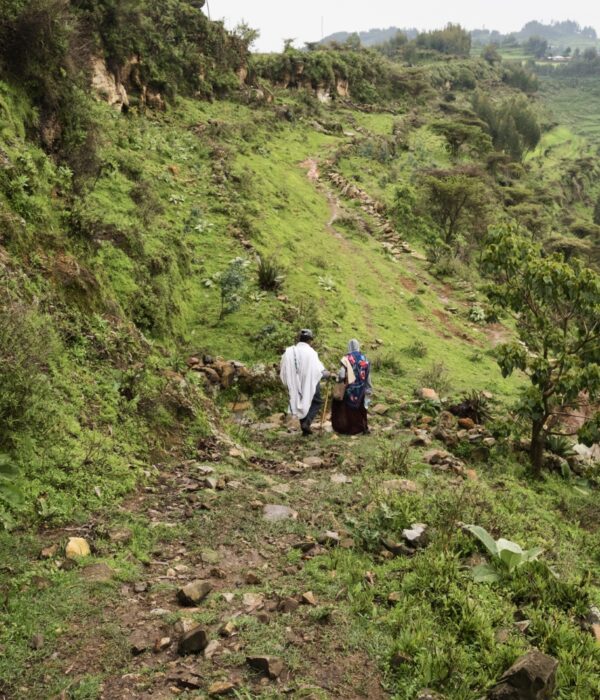
È sufficiente disporre di elettricità, accesso ai servizi bancari, istruzione, risorse agricole o centri sanitari per sapere come trarre il massimo beneficio da queste risorse? I programmi e le iniziative internazionali sono in grado di fornire i risultati attesi o alle famiglie e agli individui vengono fornite tecnologie, beni e servizi senza che sappiano esattamente come utilizzarli? Alcune riflessioni dalla nostra visita sul campo.
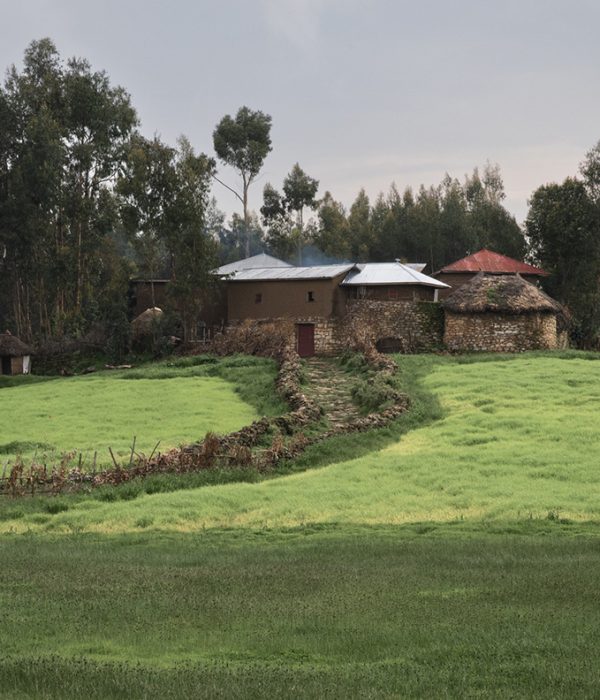
Il nostro viaggio di dieci giorni – passando dalle strade illuminate della città a villaggi di status misto come Etege e poi a insediamenti più bui come Woynye, Tikur Gedel e Atakit – è stato progettato per incontrare le famiglie dietro le tabelle di regressione e per documentare con interviste e fotografie come l'elettricità, o la sua assenza, modella il lavoro, lo studio e il senso del futuro dei bambini.
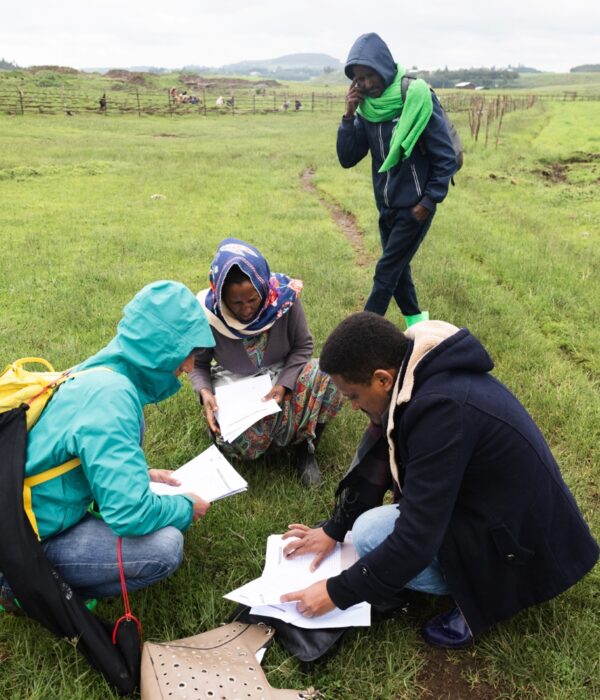
Lo studio presentato in questo sito web è stato condotto nell’ambito del progetto PRIN “RESILIENCE – REcovering the agrifood system from Shocks Induced by Labour Inputs, ENergy, Climate Extremes” – CUP: I53D23006270001.