
Acqua: salute e servizi
In Etiopia, l’accesso all’acqua potabile è ancora limitato, in particolare nelle zone rurali remote. Sebbene i programmi governativi e internazionali abbiano contribuito ad ampliare l’accesso all’acqua potabile, la rapida crescita demografica e lo stress climatico sulle fonti idriche hanno in parte indebolito questi sforzi. Nelle famiglie urbane, dati del 2016 riportano che circa il 97% utilizza una fonte migliorata di acqua potabile, eppure solo circa il 68,7% della popolazione totale ha accesso ad almeno servizi di base per l’acqua potabile secondo il Mini-EDHS 2019. Questo riflette grandi divari nella qualità e nella continuità del servizio non appena ci si allontana dalle principali città, nonostante i programmi governativi e internazionali abbiano contribuito ad ampliarne l’accesso.
Gli indicatori relativi ai servizi igienico-sanitari rivelano un divario ancora più netto tra città e campagna. Secondo i dati JMP del 2022, la copertura di servizi igienico-sanitari migliorati raggiunge il 46% nelle aree rurali contro il 65% in quelle urbane. Grandi iniziative pluriennali, come il One WASH National Program in Etiopia, hanno permesso a 11 milioni di persone di raggiungere lo stato di “libere dalla defecazione all’aperto” tra il 2013 e il 2017, ma la copertura e la qualità del servizio restano molto disomogenee, con regioni pastorali e semi-aride come Somali e Afar in ritardo a causa della povertà, della bassa densità di infrastrutture e dei mezzi di sussistenza mobili che complicano le soluzioni convenzionali basate sulle latrine.
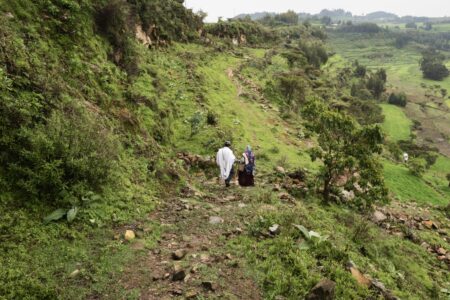
Il lavoro sul campo nei dintorni di Debre Birhan ha documentato uno scenario simile a livello di villaggio. Più della metà delle famiglie intervistate fa affidamento su acqua non controllata proveniente da sorgenti o ruscelli, e solo circa un intervistato su tre ha riferito di avere accesso tramite tubature o pozzi protetti. Le famiglie restanti attingono acqua da pozzi lontani e sorgenti stagionali, spesso compiendo diversi viaggi al giorno. Nella maggior parte di queste famiglie sono le donne e le ragazze a farsi carico di questo lavoro, percorrendo lunghe distanze, aspettando nei punti di raccolta comuni e trasportando pesanti taniche. Questo riduce il tempo che possono dedicare alla scuola, al lavoro retribuito o al riposo, e rafforza le disuguaglianze di genere nella vita rurale. I resoconti locali hanno collegato la raccolta dell’acqua direttamente ad alcune assenze scolastiche delle ragazze adolescenti e alla stanchezza cronica tra le donne adulte, che combinano questo lavoro invisibile con l’agricoltura e le faccende domestiche.
Al di là della copertura, l’affidabilità e la gestione dei sistemi idrici rurali emergono come punti deboli critici. Le valutazioni dei programmi WASH in Etiopia rilevano che molti pozzi trivellati, pompe a mano e piccoli sistemi di tubature si guastano nel giro di pochi anni. Le cause principali sono tariffe per gli utenti troppo basse o irregolari, pezzi di ricambio difficili da reperire e comitati locali degli utenti dell’acqua privi di supporto tecnico, specialmente nei woreda remoti. Durante la visita sul campo, diverse famiglie hanno riferito che il rubinetto pubblico più vicino era “spesso a secco” nella stagione secca, o che le pompe rimanevano rotte per mesi, costringendo le persone a tornare a ruscelli e sorgenti non sicuri anche in comunità ufficialmente considerate “servite”. Questi guasti e le carenze stagionali minano la fiducia nei sistemi comunitari e aiutano a spiegare perché le famiglie continuano a investire tempo in fonti lontane e non migliorate, anche dopo la costruzione delle infrastrutture.
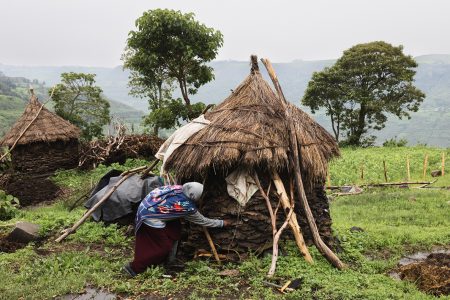
La mancanza di infrastrutture solide e ben mantenute compromette seriamente la disponibilità di servizi igienico-sanitari nei villaggi rurali e l’igiene in generale. La diffusa pratica della defecazione all’aperto nel contesto visitato dal nostro team comporta crescenti rischi biologici e ambientali, tra cui la contaminazione fecale dei pozzi poco profondi e delle acque superficiali utilizzate per bere e lavarsi. La qualità dell’acqua e i servizi igienico-sanitari sono fattori determinanti per la salute dei bambini in Etiopia, e l’assenza di servizi igienico-sanitari e di igiene adeguati rimane una delle cause principali delle malattie diarroiche nei bambini sotto i cinque anni. Le interviste mostrano che la defecazione all’aperto è predominante nel nostro contesto: più della metà delle famiglie intervistate adotta questa pratica, mentre meno del 10% dispone di servizi igienici moderni. Le restanti famiglie si affidano a semplici latrine a fossa in legno, che offrono una privacy limitata e non garantiscono una gestione sicura dei fanghi.
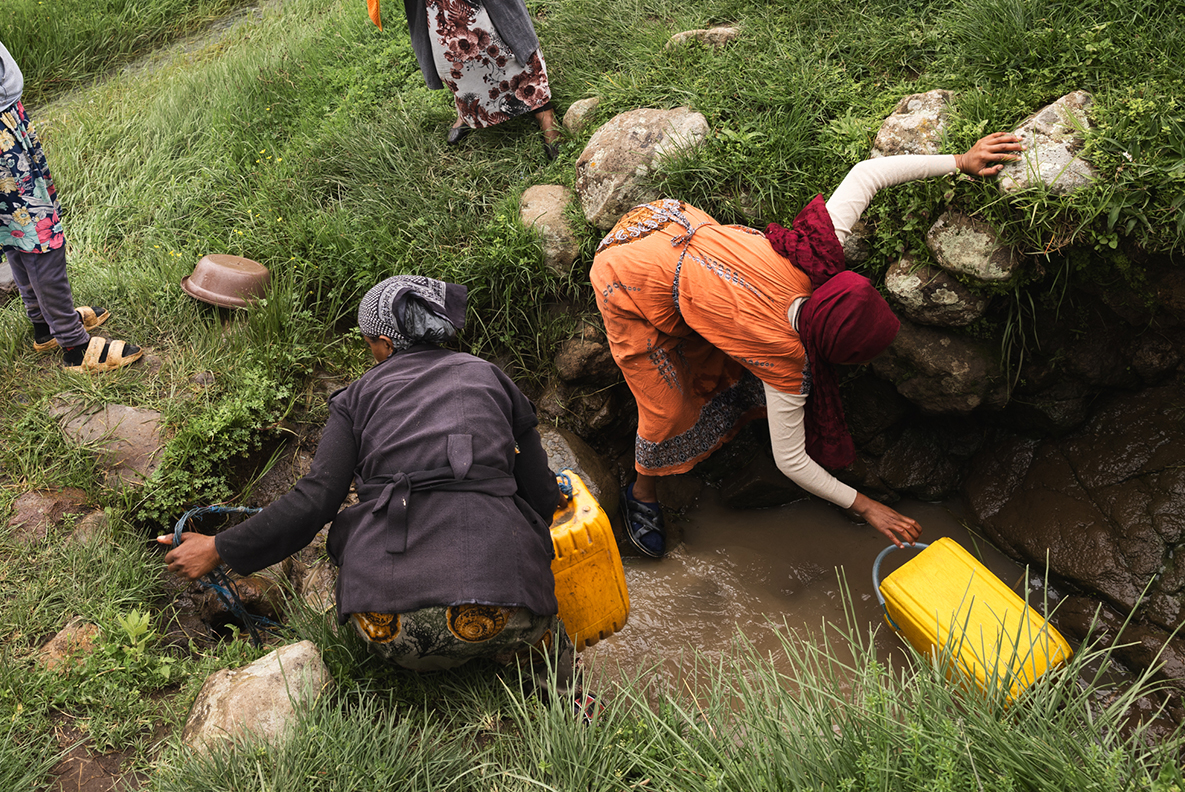
Le donne attingono l’acqua da una sorgente nel villaggio di Atakit, nell’Etiopia centrale. Secondo la residente Abebeech Mulat, 36 anni, la sorgente serve circa 80 famiglie rurali, anche se la domanda sta aumentando con le nuove costruzioni. Durante la stagione delle piogge, la comunità interviene quotidianamente in modo collettivo sulla sorgente, per evitare potenziali contaminazioni dai campi vicini e dalle acque scure a cielo aperto. Esistono disinfettanti chimici, ma sono costosi e difficili da ottenere. I residenti segnalano malattie come il tifo, la febbre tifoide e la diarrea e, nonostante abbiano informato le autorità tre anni fa, non è stata intrapresa alcuna azione. Durante la stagione secca si formano lunghe code, che a volte durano fino a mezzanotte, esponendoli ai rischi legati alla fauna selvatica, come le iene. © Gaia Squarci
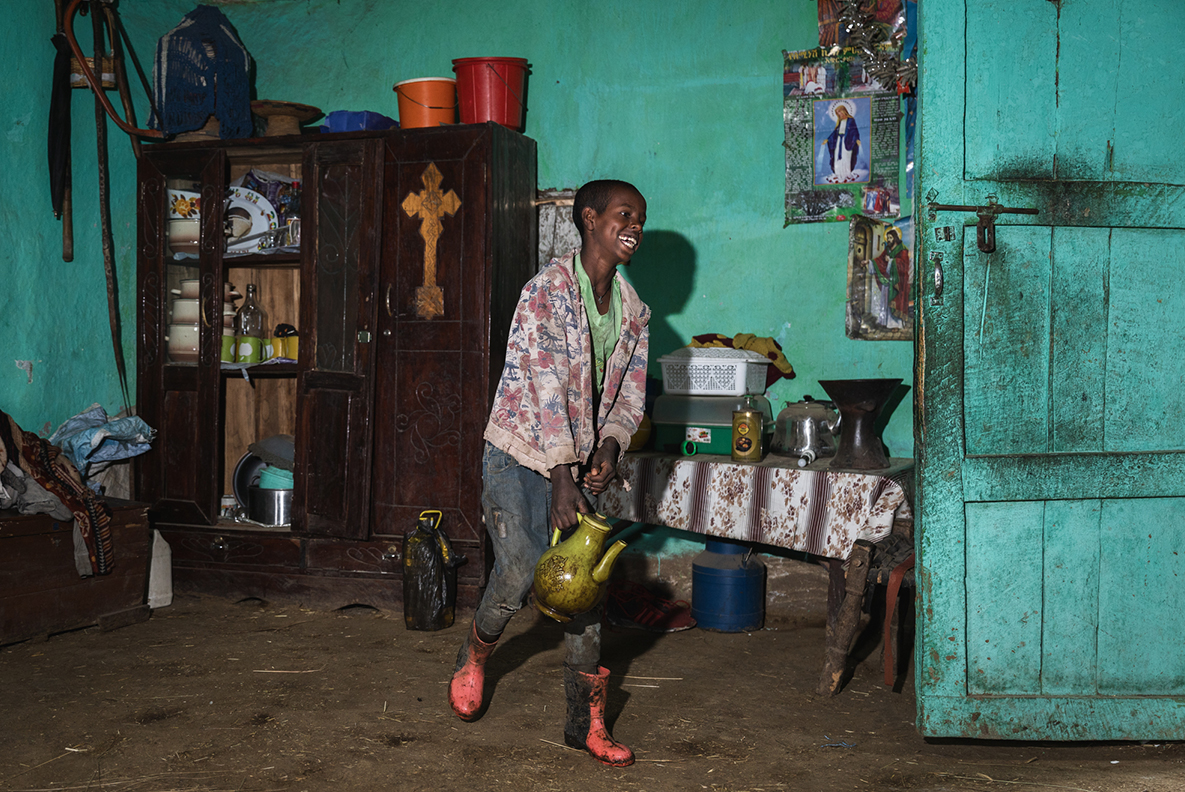
Abi Woldeamanuel, 12 anni, porta l’acqua per preparare il caffè tradizionale nella fattoria di famiglia a Etege, un villaggio rurale vicino a Debre Birhan, nell’Etiopia centrale. Questa è l’unica famiglia che abbiamo incontrato nelle zone rurali che disponeva di un pozzo all’interno del cortile di casa per l’accesso all’acqua, ma non aveva comunque un bagno. La famiglia è anche allacciata alla rete elettrica, ma l’elettricità viene utilizzata solo per alimentare singole lampadine in alcune stanze della casa. La scuola più vicina dista un’ora a piedi e l’ospedale più vicino è a quattro ore di cammino. Il reddito della famiglia proviene dall’agricoltura, anche se l’anno scorso hanno subito un cattivo raccolto a causa delle piogge tardive. © Gaia Squarci
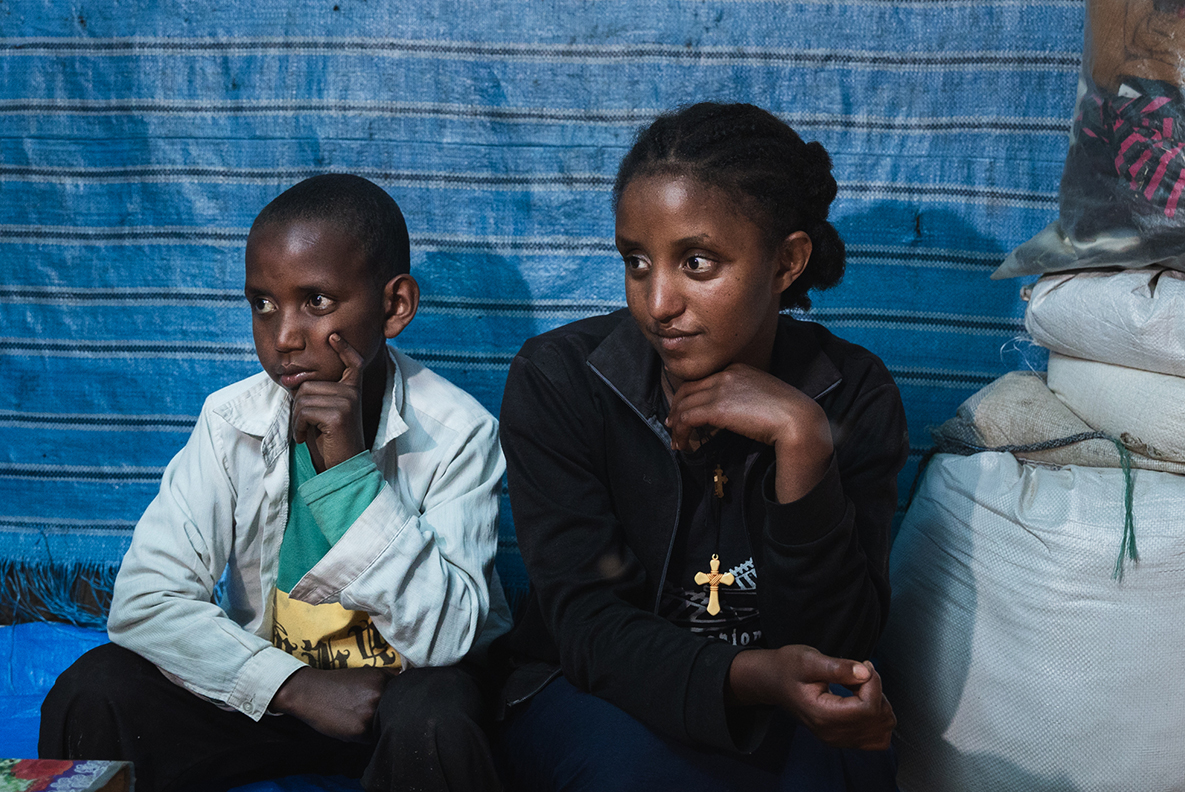
Negesse Zeyede, 12 anni, a sinistra, e Zinash Zeyede, 16 anni, a destra, sono state fotografate a casa loro ad Addis Genet, nell’Etiopia centrale. La loro famiglia, poiché vive molto vicino alla città principale della zona, Debre Birhan, utilizza l’acqua corrente e dispone di una latrina in legno, mentre è anche allacciata a una rete elettrica condivisa. Zinash frequenta il decimo anno, ama la fisica e sogna di studiare ingegneria edile e di aprire una propria attività o uno studio. Zinash attribuisce grande valore all’istruzione delle ragazze, convinta che essa consenta loro di provvedere a se stesse e alle proprie famiglie con sicurezza e indipendenza. Racconta di aver visto una sua cara amica lasciare la scuola per un matrimonio combinato, il che ha rafforzato la sua determinazione a proseguire gli studi. © Gaia Squarci
Bibliografia
"Water, Sanitation, and Hygiene Service Inequalities and Their Associated Factors Among Urban Slums and Rural Communities in Eastern Ethiopia."
Frontiers in Public Health, 12.
"Access to Basic Water, Sanitation, and Hygiene (WaSH) Facilities and Associated Factors in Ethiopia: Evidence from Demographics and Health Surveys."
Journal of Water, Sanitation and Hygiene for Development, 13(1).
"One WASH National Program (OWNP): A Multi-Sectoral SWAP Review of Phase I."
March 2018.