

Agriculture and shocks
Ethiopia’s agricultural sector forms the backbone of its economy, contributing roughly 35–44% of GDP, employing about 80% of the workforce, and accounting for around 70% of export earnings, primarily from cash crops like coffee and sesame alongside livestock products. The main staple crops include teff (indigenous to Ethiopia and key for injera bread), wheat, barley, maize (corn), sorghum, and millet, with pulses such as chickpeas, lentils, and faba beans also prominent; wheat production reached 6.5 million metric tons in MY 2025/26, corn 10.3 million MT, sorghum around 4 million MT, and barley 2.38 million MT, driven by irrigation expansion and improved yields.
These crops are concentrated in highland regions above 1,500 meters for cool-weather grains like teff, wheat, and barley (mainly Oromia, Amhara), while sorghum, millet, and maize dominate warmer lowlands in Oromia, Amhara, Tigray, and peripheral areas like Afar and Somali. Recent government initiatives, including cluster farming and irrigation across 2.9–3.5 million hectares in Oromia, Amhara, and Afar, have boosted output, transforming Ethiopia toward wheat self-sufficiency and export potential despite challenges like drought and conflict.
Agriculture is one of the main sectors of the Ethiopian economy, representing 32% of national GDP and employing around 65% of the labour force (AGRA, 2025). However, the impact of climate change, the absence of modern technologies and the limited financing, pose threats to agricultural development in the country. Governmental and international programs have been recently implemented to reduce reliance on rain-fed irrigation, expanding irrigation capacity and modernising productive assets (FAO, 2025). Despite the efforts, estimates document that less than 5% of cultivated lands are irrigated, increasing the risk of crop yields reduction due to climate variability (IWMI, 2021).
Although the government of Ethiopia is implementing new strategies to increase national production of fertiliser, it is difficult to have conclusive data about the adoption rate of fertiliser in agriculture. Surging prices, difficulties to receive fertilisers on time and insufficient knowledge on how to use the products are the main reasons that still today obstacle a diffuse adoption of this technology (IFPRI, 2023). Programs such as the well-known Productive Safety Net Program have been observed to protect families from food insecurity, particularly in the short term and in case of exogenous shocks such as the COVID crises or natural events (Abay et al., 2023; Berhane et al., 2014).
Changing weather: raining season and heatwaves
Raining season and mold on beans
Heatwaves and cattles, and medicines
Agricultural & income shocks raise child labor and reduce schooling; assets & credit help buffer these effects (Bandara et al., 2015;Beegle et al., 2005; Duryea et al., 2007; De Janvry et al., 2006)
– Rainfall variability is associated with less child labor and more schooling (Colmer, 2020)
– Higher rainfall increases child labor & reduces education spending (Nordman et al., 2022)
– Natural disasters & extreme weather events disrupt schooling, reduce completed grades and harm cognitive outcomes (Nguyen Pham, 2015; Venegas et al., 2024)
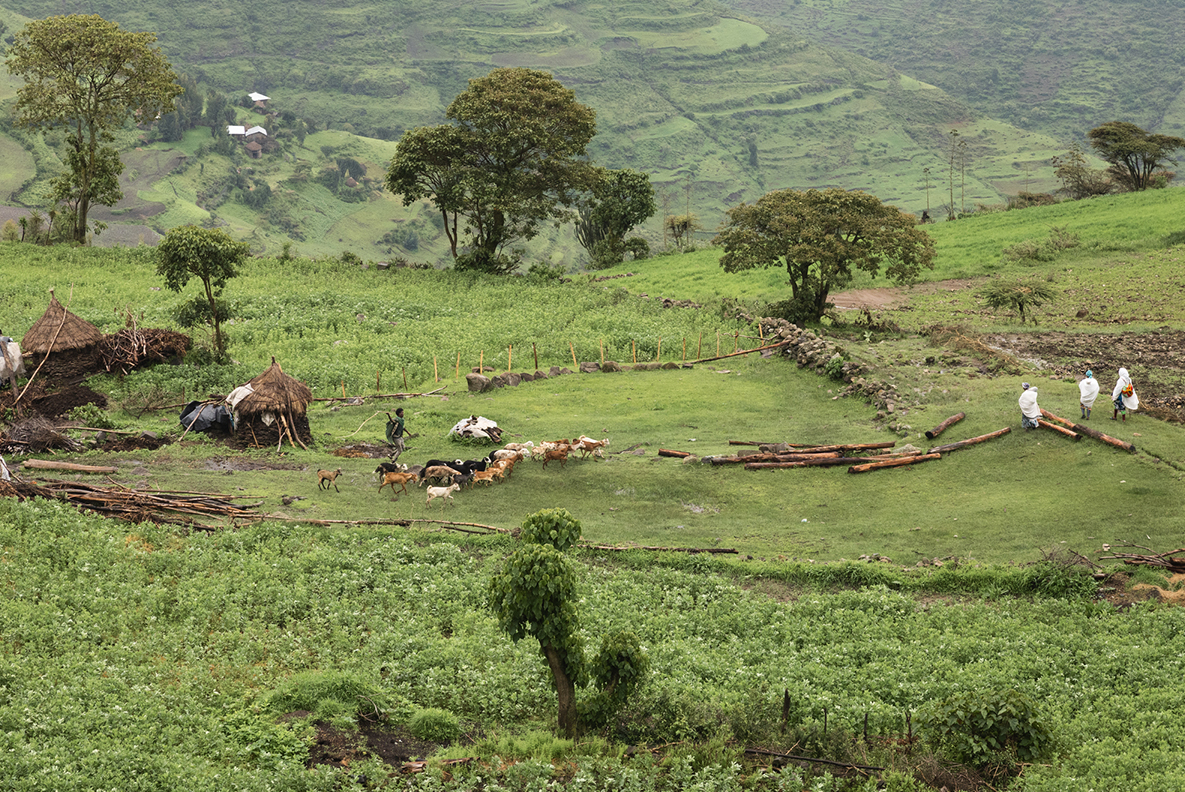
Rural ethiopia agriculture:
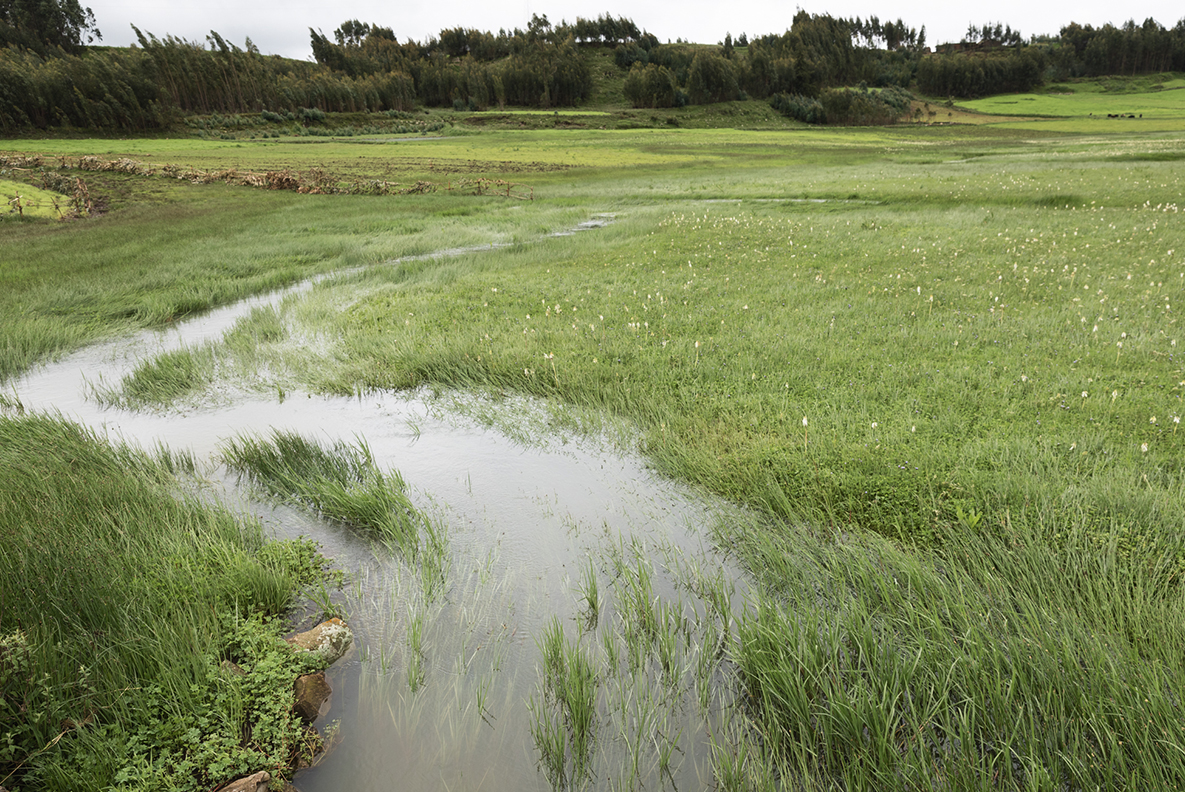
Many, if not all, of the farmers encountered during the field trip mentioned recent and consistent changes in rain patterns without specifically naming climate change. They note that since a decade, the rainy season has come very late and, when it does come, it rains too much in a short period of time, often leading to crops to be soaked in water for days, and giving mold problems to the fields.
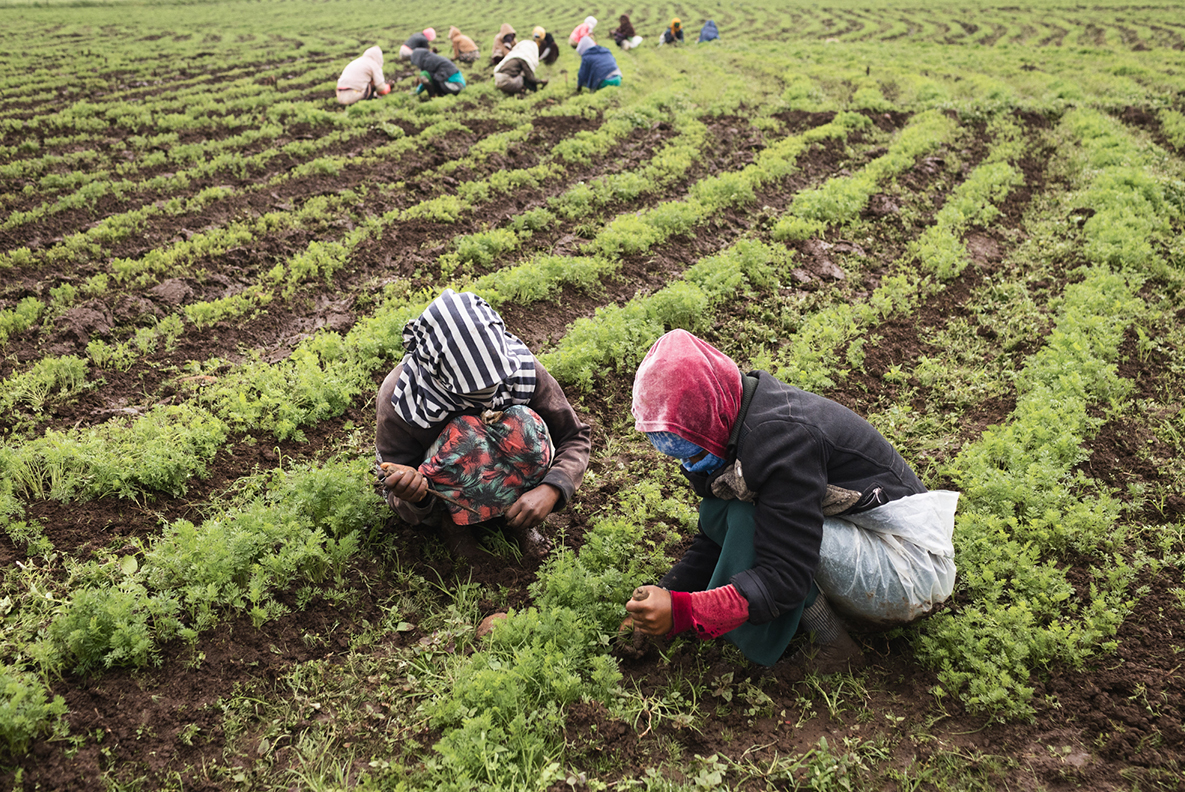
Daily workers: weeding, chemicals
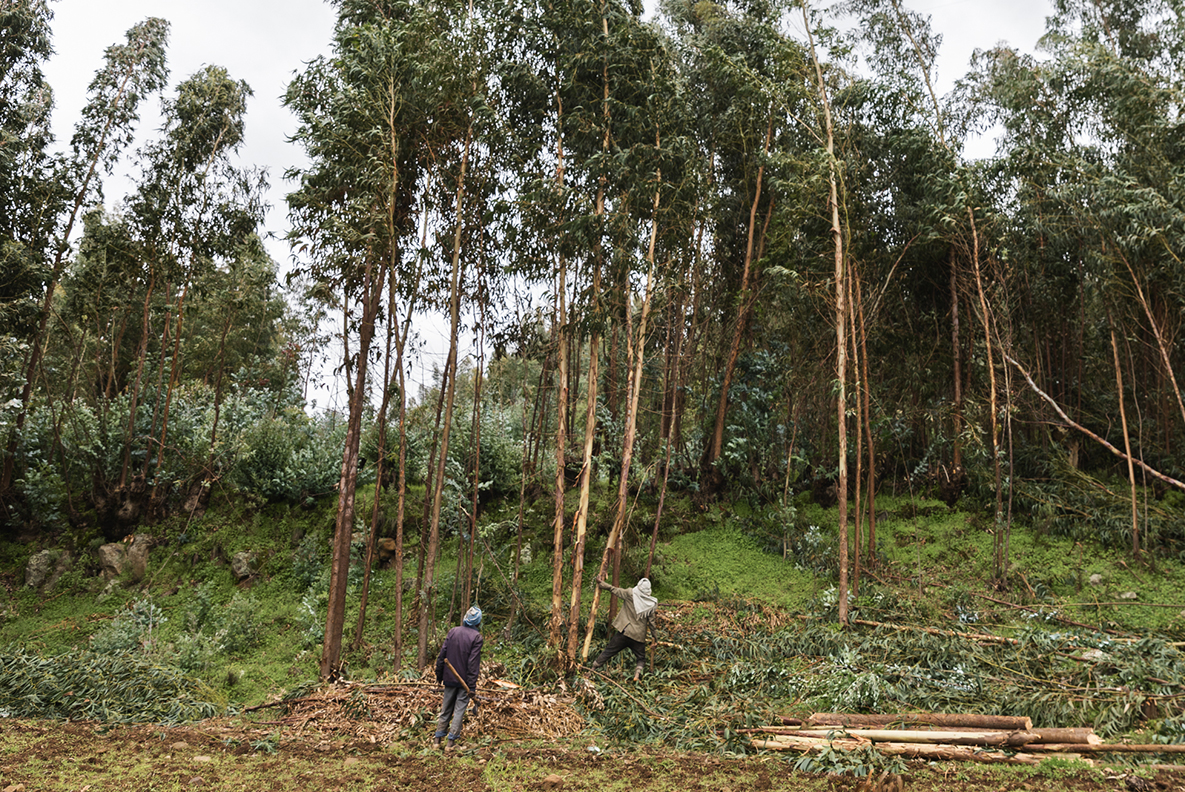
Eucalyptus species, especially E. globulus, thrive in Ethiopia’s central highlands, growing up to 10–20 meters in 5–7 years, tolerating drought and guaranteeing a high biomass yield. Introduced around 1895 near Addis Ababa, eucalyptus now covers vast areas (about 58 percent of community plantations by 2020), serving as a critical income source amid farmers. Rural households in Ethiopia rely on it for fuelwood as a primary energy source, construction poles, furniture, farm tools, charcoal, fodder (leaves), honey production and cash sales. Eucalyptus is often harvestable after 3–4 years, with poles exported regionally.
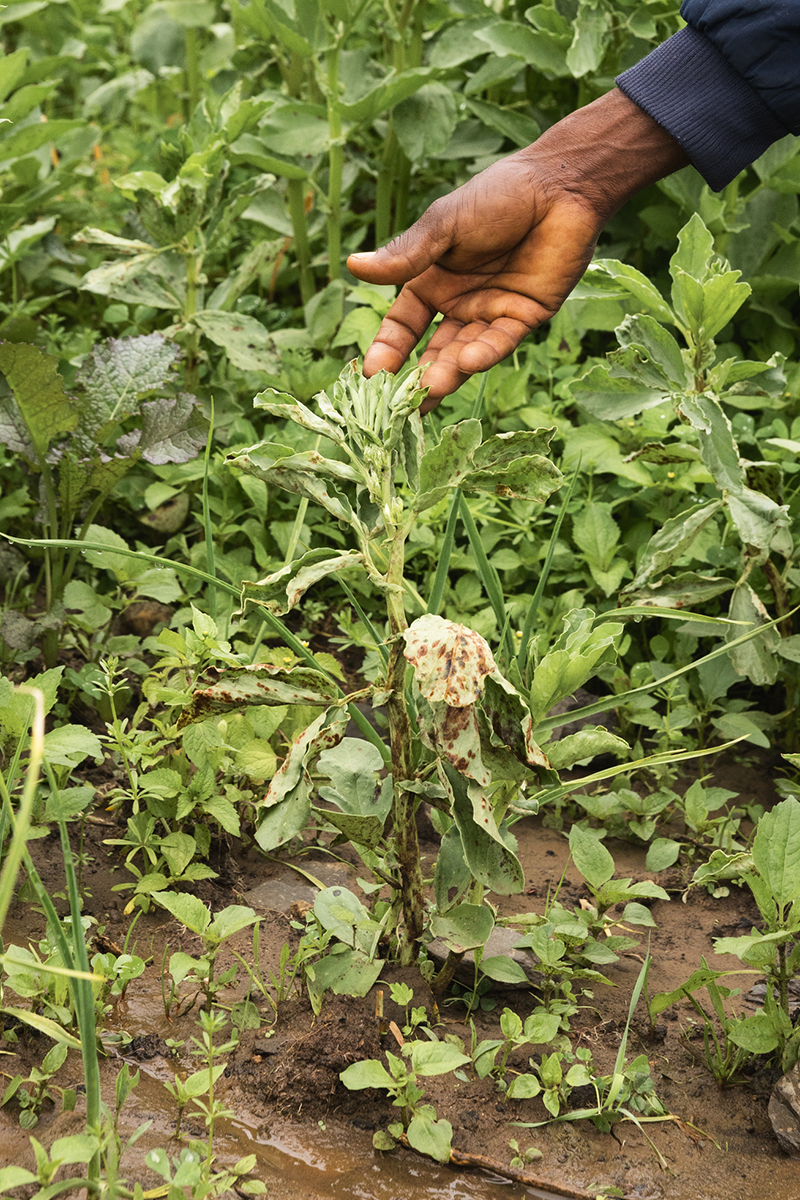
Bean crops and pests and chemicals
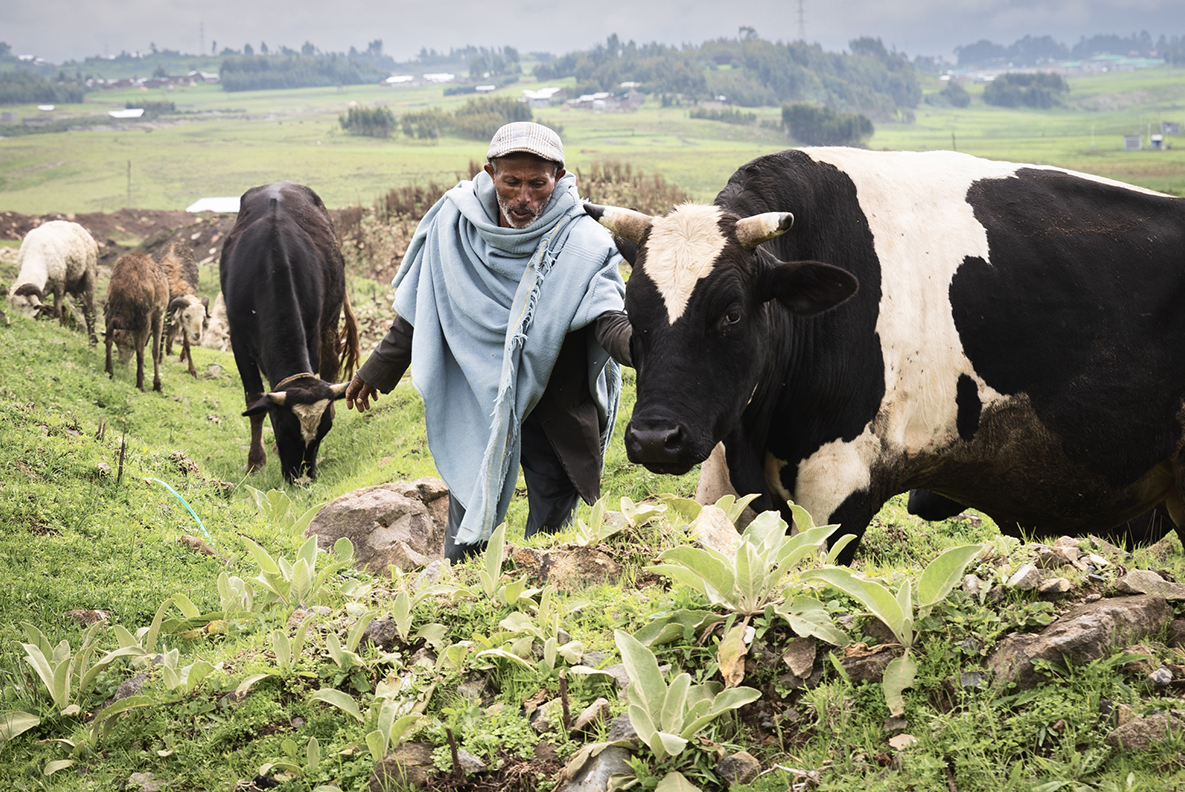
Ayele Mulugeta, 56, herds livestock near Atakit village, central Ethiopia. He reports losing two oxen in 2024, valued at roughly 1,500 € each—to a disease locally known as “Goloba,” which he believes is linked to recent heatwaves. Symptoms include shaking, weight loss, and death. He is worried as one more ox is currently sick, and he is thinking of selling it before it’s too late. He says veterinary medication is available and partially effective, though the exact treatment is not always known. All the cattle pictured belong to him.